
Contents
- 1 Semi-Truck Slow Cooker: The Complete Guide for Long-Haul Drivers
- 1.1 What Is a Semi-Truck Slow Cooker?
- 1.2 Benefits of Using a Slow Cooker in Your Semi-Truck
- 1.3 Types of Semi-Truck Slow Cookers
- 1.4 Key Features to Look For
- 1.5 Best Practices for Cooking in Your Semi-Truck
- 1.6 Popular Recipe Ideas for Truck Drivers
- 1.7 Cost and Where to Buy
- 1.8 Additional Equipment to Consider
- 1.9 Common Concerns and Solutions
- 1.10 Maintenance and Longevity Tips
- 1.11 Conclusion
Semi-Truck Slow Cooker: The Complete Guide for Long-Haul Drivers
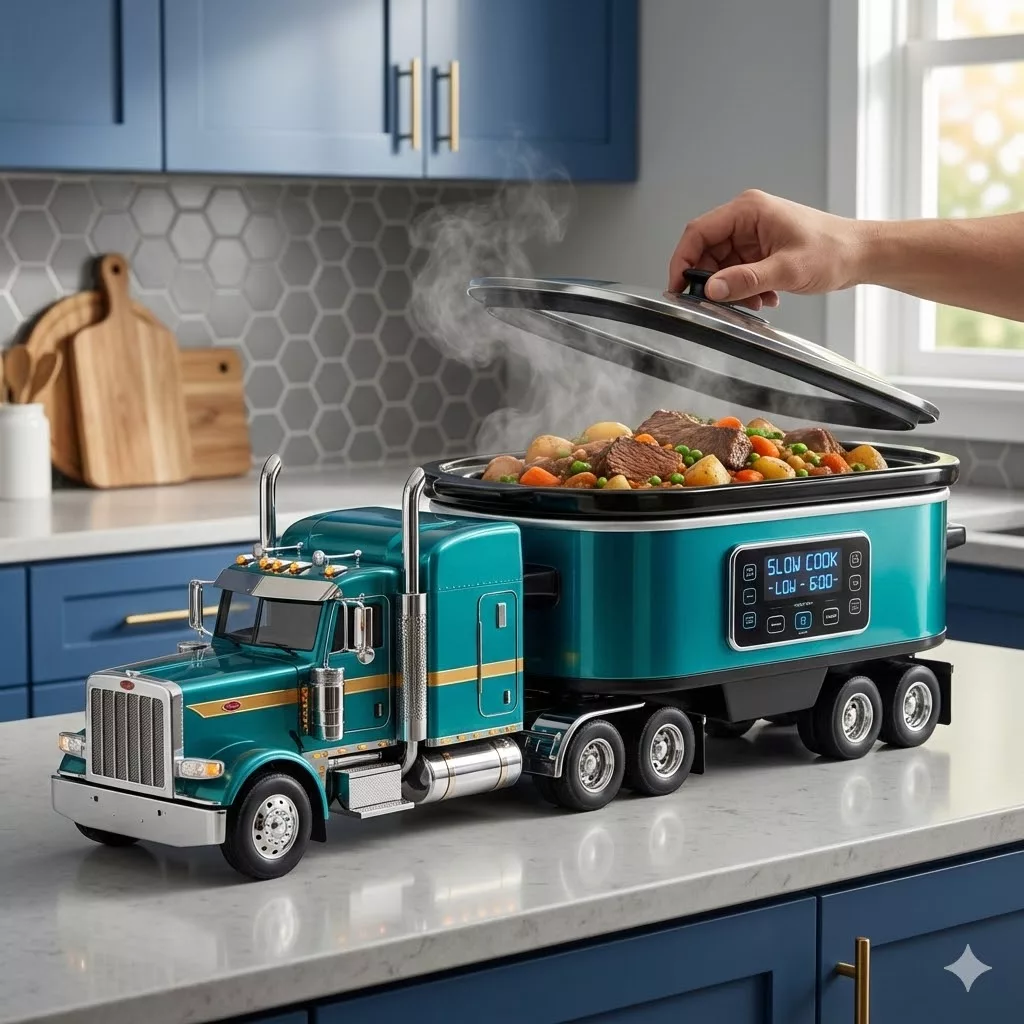
For truck drivers spending days or weeks on the road, eating healthy, home-cooked meals can seem impossible. A semi-truck slow cooker changes everything, allowing drivers to prepare nutritious, hot meals right in their cab while logging miles. This essential piece of equipment has become a game-changer for professional drivers looking to save money, eat better, and enjoy the comforts of home cooking during long hauls.
What Is a Semi-Truck Slow Cooker?

A semi-truck slow cooker is a portable slow cooking appliance specifically designed to operate on 12-volt DC power from a truck’s electrical system or standard 110-volt AC power from inverters. Unlike traditional home slow cookers that require household electrical outlets, these specialized units plug directly into a truck’s cigarette lighter socket, power port, or auxiliary power outlet.
These cookers function similarly to home models, using low, steady heat over several hours to cook meals thoroughly. However, they’re engineered with features that accommodate the unique challenges of over-the-road trucking, including secure lids to prevent spills during movement, compact designs that fit in limited cab space, and durable construction that withstands constant vibration and temperature changes.
Benefits of Using a Slow Cooker in Your Semi-Truck

Significant Cost Savings: Restaurant meals and truck stop food add up quickly. The average truck driver spends $8 to $15 per meal, totaling $50 to $100 daily. A semi-truck slow cooker can reduce meal costs to $3 to $5 per serving, saving drivers $5,000 to $10,000 annually.
Healthier Eating Options: Truck stop food tends to be high in sodium, unhealthy fats, and calories. With a slow cooker, drivers control ingredients and portion sizes, making it easier to maintain a healthy diet that supports long-term health and energy levels on the road.
Convenience and Flexibility: Start your meal in the morning before your shift, and it’s ready when you stop for the night. No more searching for restaurants during limited break times or settling for whatever’s available at rest stops.
Variety and Quality: Prepare your favorite comfort foods, family recipes, and diverse cuisines instead of eating the same truck stop offerings repeatedly. From pot roast to chili, stews to pasta dishes, the possibilities are nearly endless.
Time Efficiency: Slow cookers require minimal active cooking time. Simply add ingredients, set the temperature, and focus on driving while your meal cooks itself.
Types of Semi-Truck Slow Cookers


The kitchen appliance world has evolved far beyond purely functional designs, and nowhere is this more delightfully evident than in Read more

There's something magical about brewing a warm cup of tea or hot chocolate during the Christmas season. Now imagine doing Read more

What is a Pine Epoxy Floor? A pine epoxy floor combines the natural warmth and character of pine wood with Read more

Add Stunning Natural Elegance to Your Kitchen Design Geode backsplashes have emerged as one of the most captivating interior design Read more
12-Volt DC Slow Cookers: These plug directly into your truck’s 12-volt power outlet without requiring an inverter. They’re designed specifically for vehicle use and typically offer 1.5 to 3-quart capacity. Popular models include the RoadPro and Koolatron brands, which are built to handle the vibrations and movement of truck travel.
Dual-Voltage Models: These versatile cookers operate on both 12-volt DC power and 110-volt AC power, allowing you to use them in your truck and at home or in hotels. This flexibility makes them ideal for drivers who want one appliance for multiple settings.
Portable Electric Slow Cookers with Inverters: Some drivers prefer using standard compact slow cookers powered through a power inverter. This approach offers more model options and larger capacities but requires investing in a quality inverter that can handle the wattage requirements.
Multi-Function Travel Cookers: Advanced models combine slow cooking with other functions like steaming, warming, or even baking, providing more meal preparation options in a single compact unit.
Key Features to Look For

Power Compatibility: Verify that your chosen semi-truck slow cooker matches your truck’s electrical system. Check wattage requirements if using an inverter, ensuring your inverter can handle the load continuously for several hours.
Size and Capacity: Consider your cab space and typical serving needs. Solo drivers often find 1.5 to 2-quart models sufficient, while team drivers might prefer 3-quart or larger capacities. Measure available space in your cab before purchasing.
Secure Lid Design: Look for locking lids, tight-fitting covers, or gasket-sealed lids that prevent spills during truck movement. Some models feature specially designed lids that lock in place, crucial for preventing messy accidents.
Temperature Control: Basic models offer low and high settings, while advanced options include adjustable temperature dials or digital controls for more precise cooking. Consider whether you need warm settings for keeping food hot after cooking.
Durability and Build Quality: Choose models with sturdy construction, reinforced cords, and materials that withstand constant vibration. Stainless steel or heavy-duty plastic construction typically outlasts cheaper alternatives.
Safety Features: Automatic shut-off functions, overheat protection, and cool-touch exteriors enhance safety in the confined space of a truck cab. These features are especially important for unattended cooking while driving.
Cord Length and Storage: Adequate cord length ensures you can position the cooker conveniently. Some models include cord storage compartments for tidier cab organization when not in use.
Best Practices for Cooking in Your Semi-Truck

Meal Planning and Preparation: Prepare ingredients in advance during home time. Pre-cut vegetables, portion meats, and store them in freezer bags or containers. Some drivers prep entire meals at home, freeze them, and simply add them to the slow cooker when ready to cook.
Strategic Timing: Start cooking at the beginning of your driving day for meals ready during evening breaks, or start during a mid-day break for dinner later. Most recipes require 4 to 8 hours on low heat, aligning well with typical driving schedules.
Secure Placement: Position your semi-truck slow cooker on a flat, stable surface where it won’t slide or tip. Many drivers use non-slip mats, secure it between bags, or place it in a dedicated storage compartment with cushioning around it.
Monitor Power Consumption: Be aware of your truck’s electrical capacity, especially when idling or using auxiliary power. Avoid draining your batteries when the engine isn’t running, and consider your APU capabilities if applicable.
Safe Food Handling: Keep perishable ingredients in a truck refrigerator or cooler until cooking time. Follow food safety guidelines, ensuring meats reach proper internal temperatures. Use a food thermometer to verify doneness.
Cleaning and Maintenance: Clean your slow cooker promptly after meals to prevent stubborn residue buildup. Many inserts are removable for easier washing. When water isn’t readily available, use disposable slow cooker liners to simplify cleanup.
Popular Recipe Ideas for Truck Drivers

One-Pot Meals: Chili, beef stew, chicken and rice, pot roast with vegetables, pulled pork, and spaghetti with meat sauce are ideal slow cooker options that provide complete nutrition in one dish.
Soups and Stews: Hearty soups like potato soup, chicken noodle, vegetable beef, and white bean soup cook perfectly in slow cookers and can be portioned for multiple meals.
Breakfast Options: Overnight oatmeal, breakfast casseroles, and egg dishes can cook while you sleep, providing hot breakfast before your shift starts.
International Flavors: Curry dishes, Mexican carnitas, Italian pasta dishes, and Asian-inspired meals add variety to your road diet, all adaptable for slow cooker preparation.
Batch Cooking: Prepare larger portions and refrigerate leftovers for quick reheating the next day, maximizing efficiency and ensuring you always have meals ready.
Cost and Where to Buy
Semi-truck slow cookers range from $30 to $100 depending on features, capacity, and brand reputation. Basic 12-volt models start around $30 to $50, while dual-voltage and multi-function units with advanced features cost $60 to $100 or more.
You can purchase these specialized cookers at truck stops, online retailers like Amazon, specialty trucking supply stores, and directly from manufacturer websites. Reading reviews from other truck drivers provides valuable insights into real-world performance and reliability.
Additional Equipment to Consider
Power Inverter: If using a standard slow cooker, invest in a quality 300 to 500-watt pure sine wave inverter for reliable power conversion without damaging your appliance.
Truck Refrigerator or Cooler: Essential for storing ingredients safely until cooking time, extending your meal prep capabilities on long trips.
Food Storage Containers: Reusable containers help organize prepped ingredients and store leftovers, maximizing your slow cooker’s utility.
Disposable Liners: Slow cooker liners simplify cleanup when water access is limited, though they do add ongoing costs.
Portable Utensils and Dishware: Compact, durable plates, bowls, and utensils complete your mobile kitchen setup.
Common Concerns and Solutions
Battery Drain: Most 12-volt slow cookers draw 1.5 to 3 amps, which is manageable while driving but can drain batteries when parked with the engine off. Use your slow cooker primarily while driving or when your APU is running.
Cooking While Moving: Modern semi-truck slow cookers are designed for vehicle use, but extremely rough roads or sudden stops can cause spills. Using secure lids and strategic placement minimizes these risks.
Limited Space: Compact models and creative storage solutions help overcome cab space limitations. Consider collapsible storage containers and multi-functional equipment to maximize efficiency.
Food Safety: Following proper food safety protocols, including maintaining cold ingredients until cooking and ensuring foods reach safe internal temperatures, addresses health concerns associated with mobile cooking.
Maintenance and Longevity Tips
Clean your semi-truck slow cooker after each use to prevent residue buildup and odors. Check cords and plugs regularly for wear or damage, replacing them immediately if problems arise. Store the cooker securely when not in use to protect it from damage during driving.
Avoid overfilling, which can cause spills and strain the heating element. Follow manufacturer guidelines for maximum fill levels, typically two-thirds to three-quarters full. When not using the cooker for extended periods, store it in a dry location and periodically inspect it for any issues.
Conclusion
A semi-truck slow cooker represents one of the best investments a long-haul driver can make for their health, budget, and quality of life on the road. By enabling home-cooked meals in your cab, you gain control over nutrition, save substantial money, and enjoy greater meal variety than truck stops can offer. Whether you’re a solo driver or part of a team, the right slow cooker transforms your truck into a mobile kitchen, making life on the road more comfortable and sustainable. With proper selection, use, and maintenance, your semi-truck slow cooker will serve you well for years of over-the-road travel.
The kitchen appliance world has evolved far beyond purely functional designs, and nowhere is this more delightfully evident than in Read more
There's something magical about brewing a warm cup of tea or hot chocolate during the Christmas season. Now imagine doing Read more
What is a Pine Epoxy Floor? A pine epoxy floor combines the natural warmth and character of pine wood with Read more
Add Stunning Natural Elegance to Your Kitchen Design Geode backsplashes have emerged as one of the most captivating interior design Read more