
Contents
- 1 What is a Pine Epoxy Floor?
- 2 Why Choose Pine Epoxy Flooring?
- 3 Best Applications for Pine Epoxy Floors
- 4 Pine Epoxy Floor Installation Process
- 5 Pine vs. Other Woods for Epoxy Flooring
- 6 Maintenance Tips for Pine Epoxy Floors
- 7 Cost Considerations
- 8 DIY vs. Professional Installation
- 9 Common Questions About Pine Epoxy Floors
- 10 Conclusion
What is a Pine Epoxy Floor?
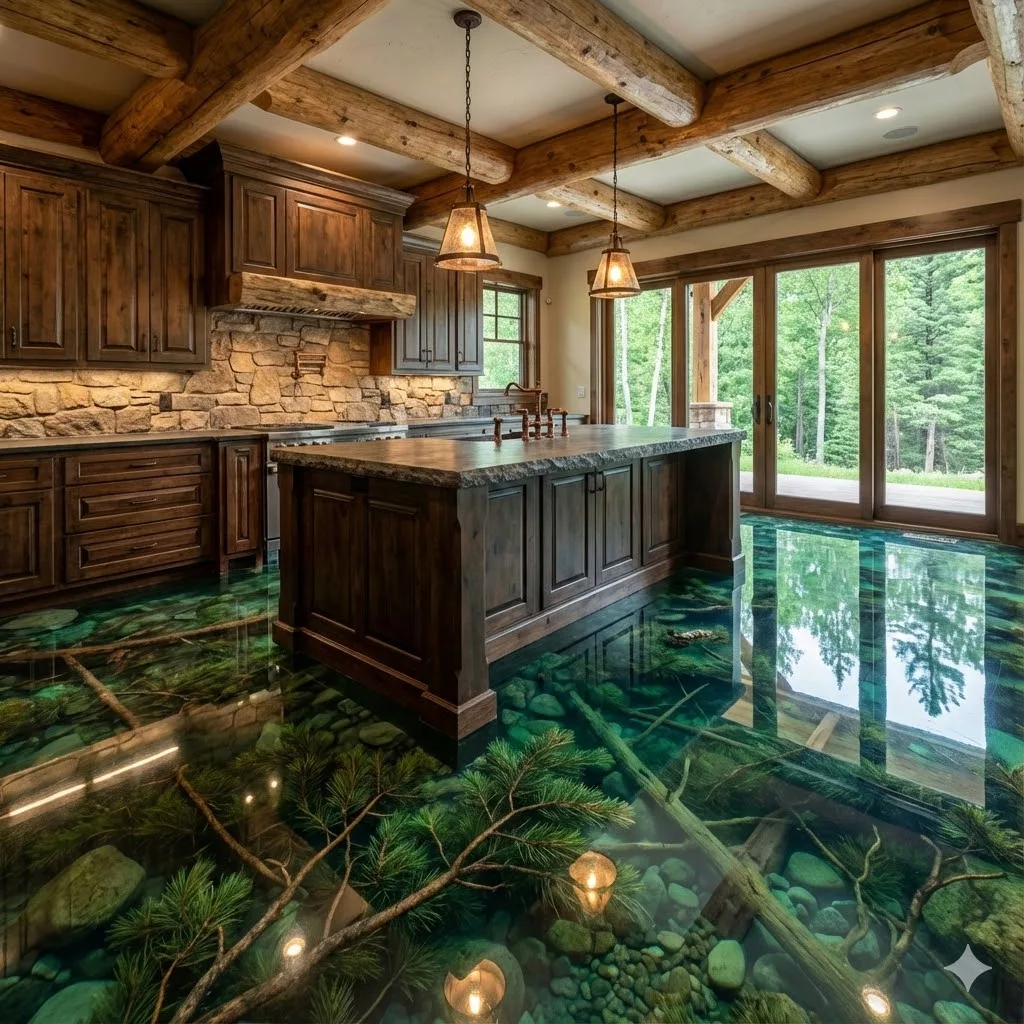
A pine epoxy floor combines the natural warmth and character of pine wood with the exceptional durability of epoxy resin coating. This innovative flooring solution transforms traditional pine floors into high-performance surfaces that resist moisture, stains, and heavy wear while preserving the wood’s natural beauty.
Why Choose Pine Epoxy Flooring?

Natural Beauty Meets Modern Protection
Pine wood offers distinctive grain patterns and a warm, inviting appearance that brings natural charm to any space. When sealed with epoxy resin, these aesthetic qualities are enhanced with a glossy, professional finish that makes the wood grain pop while providing long-lasting protection.
Key Benefits of Pine Epoxy Floors
Durability: Epoxy coating creates a rock-hard surface that protects pine wood from scratches, dents, and daily wear
Moisture Resistance: The waterproof barrier prevents water damage, warping, and rot—ideal for kitchens, basements, and high-humidity areas
Easy Maintenance: Smooth, non-porous surface wipes clean easily and requires minimal upkeep
Chemical Resistance: Resists stains from spills, oils, and household chemicals
Longevity: Properly installed pine epoxy floors can last 20+ years with proper care
Cost-Effective: More affordable than many hardwood options while offering superior protection
Best Applications for Pine Epoxy Floors


The kitchen appliance world has evolved far beyond purely functional designs, and nowhere is this more delightfully evident than in Read more

There's something magical about brewing a warm cup of tea or hot chocolate during the Christmas season. Now imagine doing Read more

Semi-Truck Slow Cooker: The Complete Guide for Long-Haul Drivers For truck drivers spending days or weeks on the road, eating Read more

Add Stunning Natural Elegance to Your Kitchen Design Geode backsplashes have emerged as one of the most captivating interior design Read more
Pine epoxy flooring works exceptionally well in:
- Residential garages and workshops
- Basements and recreation rooms
- Commercial spaces and retail stores
- Kitchens and dining areas
- Outdoor covered patios and porches
- Industrial facilities and warehouses
Pine Epoxy Floor Installation Process

1. Surface Preparation
Proper preparation is crucial for epoxy adhesion. The pine surface must be clean, dry, and free from oils, dust, or previous finishes. Sanding may be required to create the ideal texture.
2. Moisture Testing
Pine wood should have moisture content below 12% before epoxy application to prevent future issues.
3. Primer Application
A quality primer ensures strong bonding between pine and epoxy resin.
4. Epoxy Coating
Professional-grade epoxy is applied in multiple coats, typically 2-3 layers for optimal protection and appearance.
5. Curing Time
Allow 24-72 hours for full curing before foot traffic, and 7 days before heavy use.
Pine vs. Other Woods for Epoxy Flooring

Pine offers several advantages as an epoxy floor base:
Affordability: Pine costs significantly less than oak, maple, or exotic hardwoods
Workability: Soft wood makes installation and modification easier
Availability: Widely available in most regions
Character: Knots and grain variations create unique, rustic aesthetics
Maintenance Tips for Pine Epoxy Floors
- Sweep or vacuum regularly to remove dirt and debris
- Clean with pH-neutral cleaners—avoid harsh chemicals
- Use floor mats in high-traffic entryways
- Reapply topcoat every 3-5 years for continued protection
- Address spills promptly to maintain appearance
Cost Considerations
Pine epoxy floor costs typically range from $3 to $12 per square foot, depending on:
- Pine wood quality and grade
- Epoxy type and brand
- Number of coats applied
- Professional installation vs. DIY
- Surface preparation requirements
- Geographic location
DIY vs. Professional Installation
While DIY pine epoxy floor installation is possible for experienced homeowners, professional installation ensures proper surface preparation, mixing ratios, and application techniques that maximize longevity and appearance.
Common Questions About Pine Epoxy Floors
How long do pine epoxy floors last? With proper installation and maintenance, pine epoxy floors can last 20-30 years or more.
Can epoxy be applied over existing pine floors? Yes, existing pine floors can be refinished with epoxy after proper sanding and preparation.
Is pine epoxy flooring slippery? Glossy finishes can be slippery when wet. Anti-slip additives can be mixed into the final coat for improved traction.
Can I install pine epoxy floors outdoors? UV-resistant epoxy formulations are necessary for outdoor applications to prevent yellowing and degradation.
Conclusion
Pine epoxy floors offer an excellent combination of natural beauty, durability, and affordability. Whether you’re renovating a garage, updating a basement, or creating a unique commercial space, pine epoxy flooring delivers exceptional performance and timeless appeal. With proper installation and care, this flooring solution provides decades of reliable service while maintaining its attractive appearance.
Ready to transform your space with pine epoxy flooring? Consult with flooring professionals to explore options and get a customized quote for your project.
The kitchen appliance world has evolved far beyond purely functional designs, and nowhere is this more delightfully evident than in Read more
There's something magical about brewing a warm cup of tea or hot chocolate during the Christmas season. Now imagine doing Read more
Semi-Truck Slow Cooker: The Complete Guide for Long-Haul Drivers For truck drivers spending days or weeks on the road, eating Read more
Add Stunning Natural Elegance to Your Kitchen Design Geode backsplashes have emerged as one of the most captivating interior design Read more