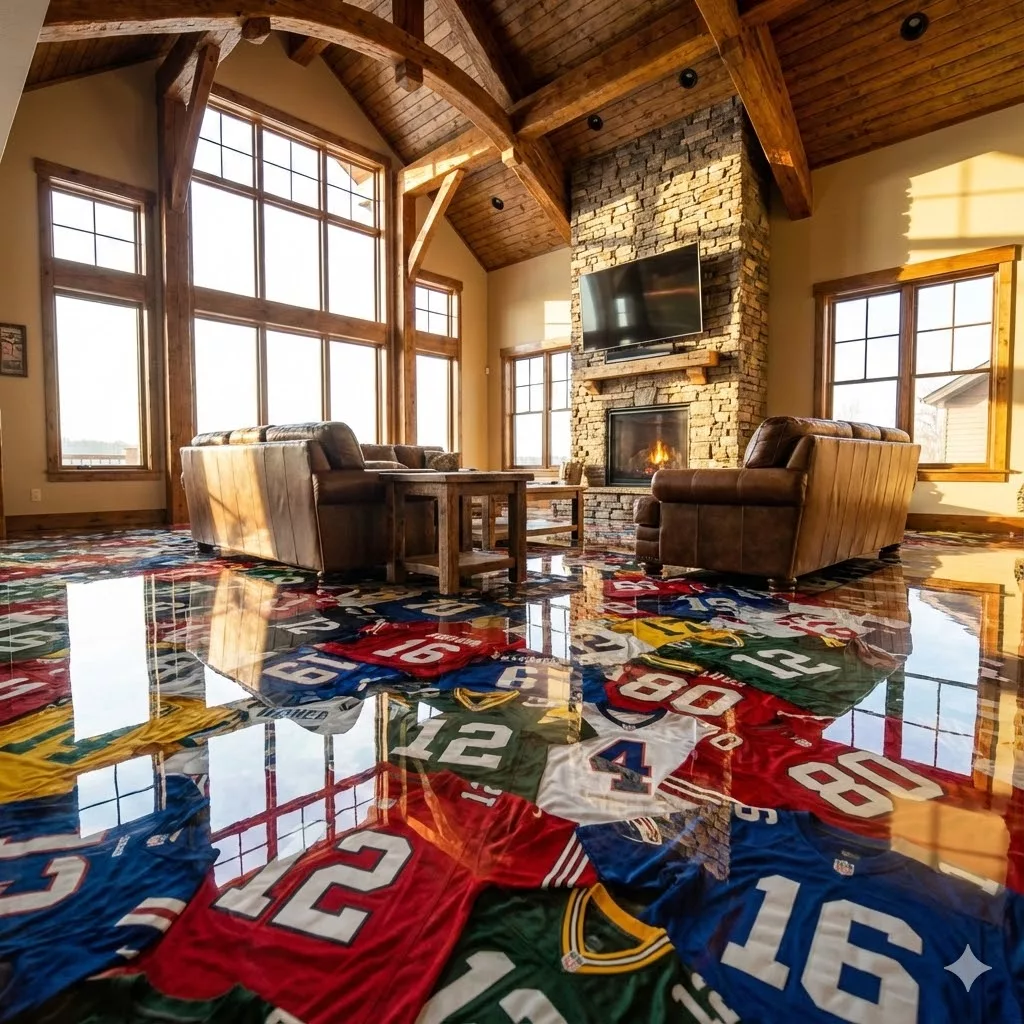
An epoxy graffiti floor brings the bold energy and artistic expression of street art into your interior spaces, creating a stunning floor that’s equal parts functional surface and gallery-worthy installation. By combining graffiti art techniques with durable epoxy resin coatings, you can transform ordinary floors into vibrant, one-of-a-kind masterpieces that showcase urban culture and contemporary design. Perfect for creative studios, retail spaces, youth rooms, modern lofts, and commercial establishments, epoxy graffiti floors make powerful visual statements that captivate and inspire.

Contents
- 1 What is an Epoxy Graffiti Floor?
- 2 Why Choose Epoxy Graffiti Flooring?
- 3 Popular Graffiti Floor Design Styles
- 4 Best Applications for Epoxy Graffiti Floors
- 5 Creating Your Epoxy Graffiti Floor Design
- 6 Installation Process for Epoxy Graffiti Floors
- 7 Design Enhancement Techniques
- 8 Cost Considerations for Epoxy Graffiti Floors
- 9 Maintenance and Care
- 10 Legal and Ethical Considerations
- 11 Combining Graffiti Floors with Interior Design
- 12 DIY vs. Professional Installation
- 13 Troubleshooting Common Issues
- 14 Is an Epoxy Graffiti Floor Right for You?
- 15 Conclusion
What is an Epoxy Graffiti Floor?
An epoxy graffiti floor features graffiti-style artwork applied directly to a floor surface and sealed beneath layers of crystal-clear epoxy resin. The graffiti can be hand-painted, spray-painted, or applied using stencils and various urban art techniques, then protected with multiple coats of liquid epoxy that hardens into a durable, glass-like finish. This innovative approach preserves the raw energy and vivid colors of graffiti art while creating a walk-able, easy-to-maintain floor that withstands heavy traffic and daily use.
Why Choose Epoxy Graffiti Flooring?
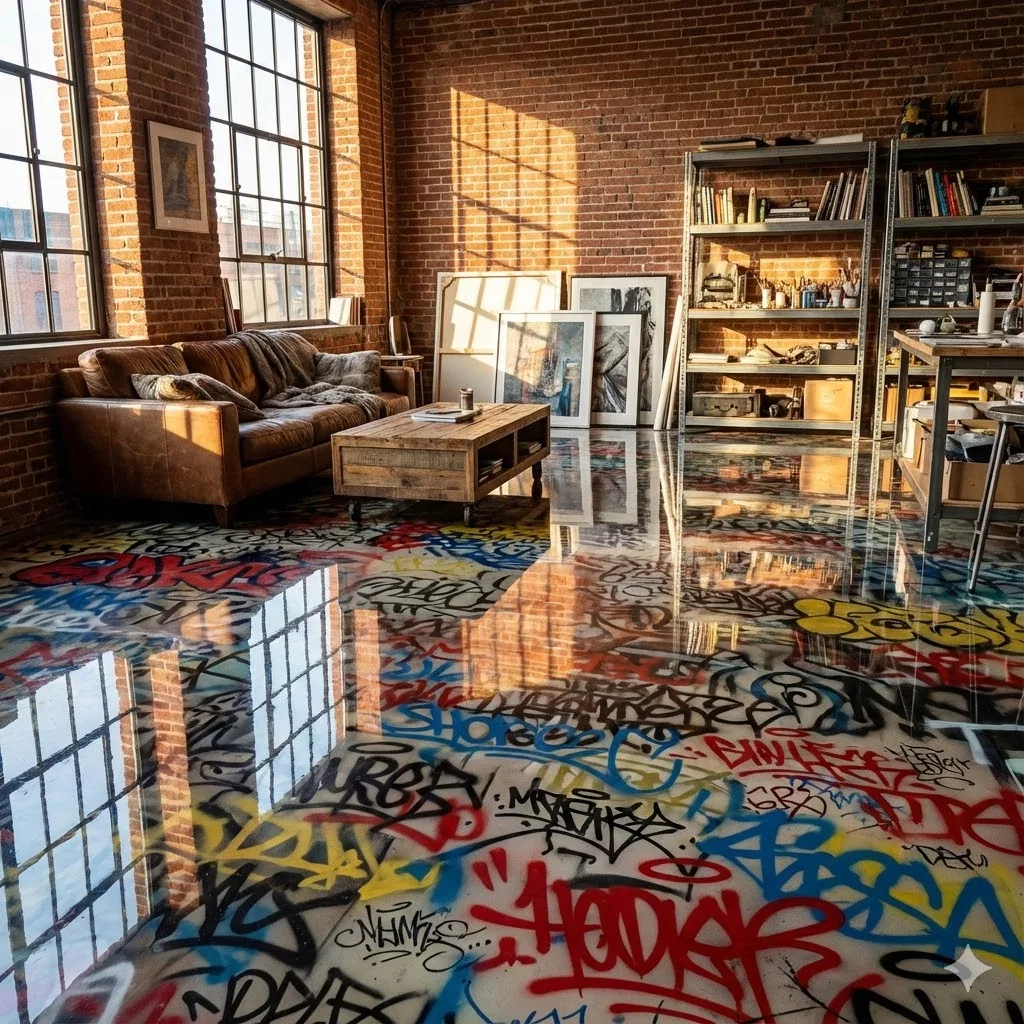
Bold Visual Impact: Graffiti floors make immediate, powerful statements that transform ordinary rooms into memorable spaces. The explosive colors, dynamic compositions, and urban edge create environments that demand attention and spark conversation.
Completely Customizable: Every epoxy graffiti floor is unique, featuring custom artwork tailored to your personal style, brand identity, or design vision. Choose your colors, themes, artists, and specific elements to create truly personalized flooring.
Durable Protection: Epoxy resin creates an incredibly strong surface that protects the artwork beneath from scuffs, stains, chemicals, and heavy foot traffic. Properly installed graffiti floors last 15-20 years or more with minimal maintenance.
Urban Contemporary Aesthetic: Graffiti floors bring authentic street culture and contemporary edge to interior spaces, perfect for modern, industrial, or eclectic design schemes that embrace bold artistic expression.
Cost-Effective Art Installation: Compared to commissioning large-scale murals or installing expensive art pieces, graffiti floors provide maximum visual impact per square foot while serving functional purposes.
Easy Maintenance: The seamless epoxy surface requires only regular sweeping and occasional mopping, protecting your artwork while eliminating grout lines, seams, and maintenance headaches of traditional flooring.
Popular Graffiti Floor Design Styles
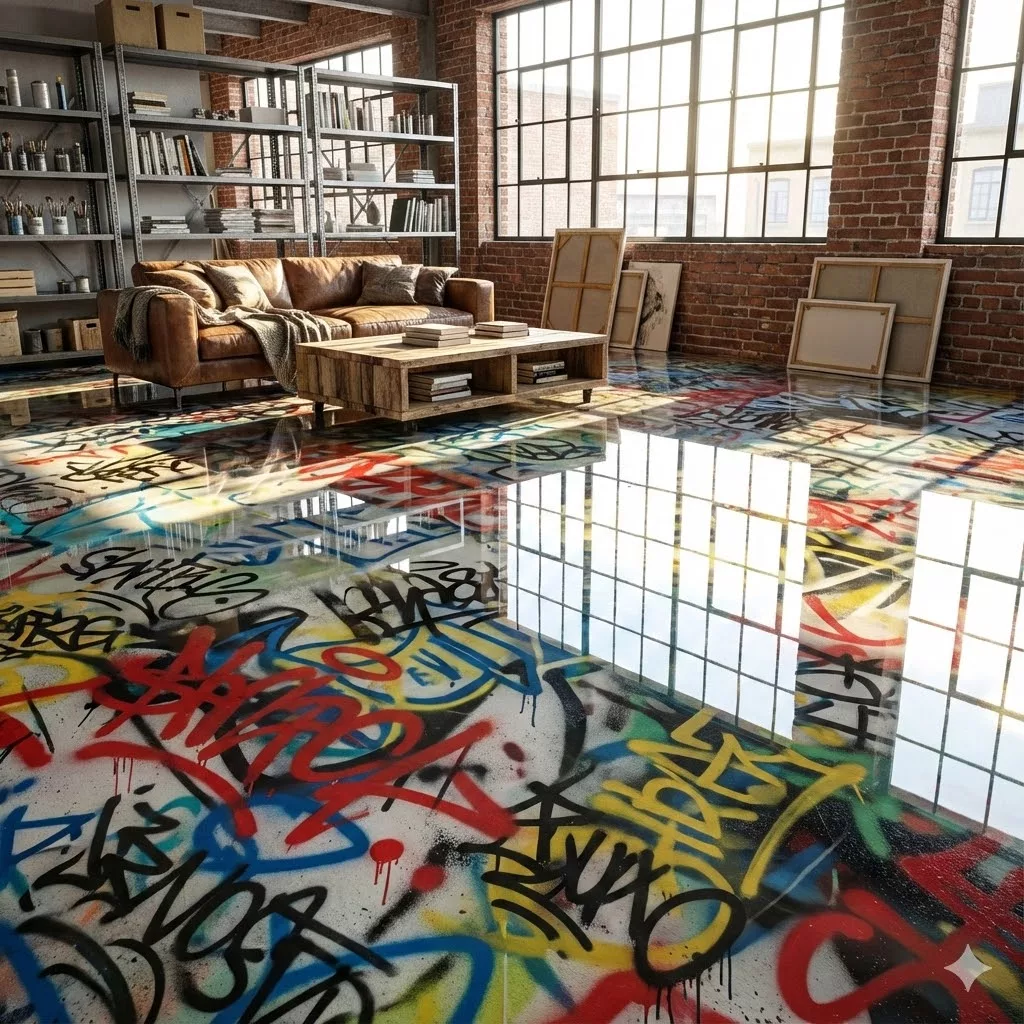
Classic Street Graffiti
Bold lettering, bubble letters, wildstyle fonts, and traditional graffiti tags create authentic street art vibes. This style works brilliantly in urban lofts, skateboard shops, music studios, and spaces celebrating hip-hop culture.
Abstract Graffiti Art
Flowing colors, spontaneous drips, spray paint effects, and abstract compositions without specific lettering create artistic, less literal interpretations. Perfect for contemporary spaces wanting urban edge without explicit street references.
Stencil Art Style
Inspired by artists like Banksy, stencil-based graffiti creates cleaner, more refined images with sharp edges and recognizable imagery. This sophisticated approach appeals to galleries, boutiques, and upscale commercial spaces.
Mixed Media Graffiti
Combine spray paint, markers, stickers, wheat paste elements, and various street art techniques for layered, complex compositions that showcase multiple artistic approaches within one floor.
Typography Focus
Emphasize bold lettering, motivational quotes, brand names, or specific messages using graffiti-style typography. Excellent for businesses wanting to reinforce brand identity or inspirational messaging.
Character Art
Feature graffiti-style characters, mascots, or illustrated figures that add personality and narrative elements to your floor design. Popular in children’s spaces, entertainment venues, and retail environments.
Geometric Graffiti
Angular shapes, sharp lines, geometric patterns, and structured compositions create modern interpretations of graffiti aesthetics with cleaner, more architectural appeal.
Best Applications for Epoxy Graffiti Floors
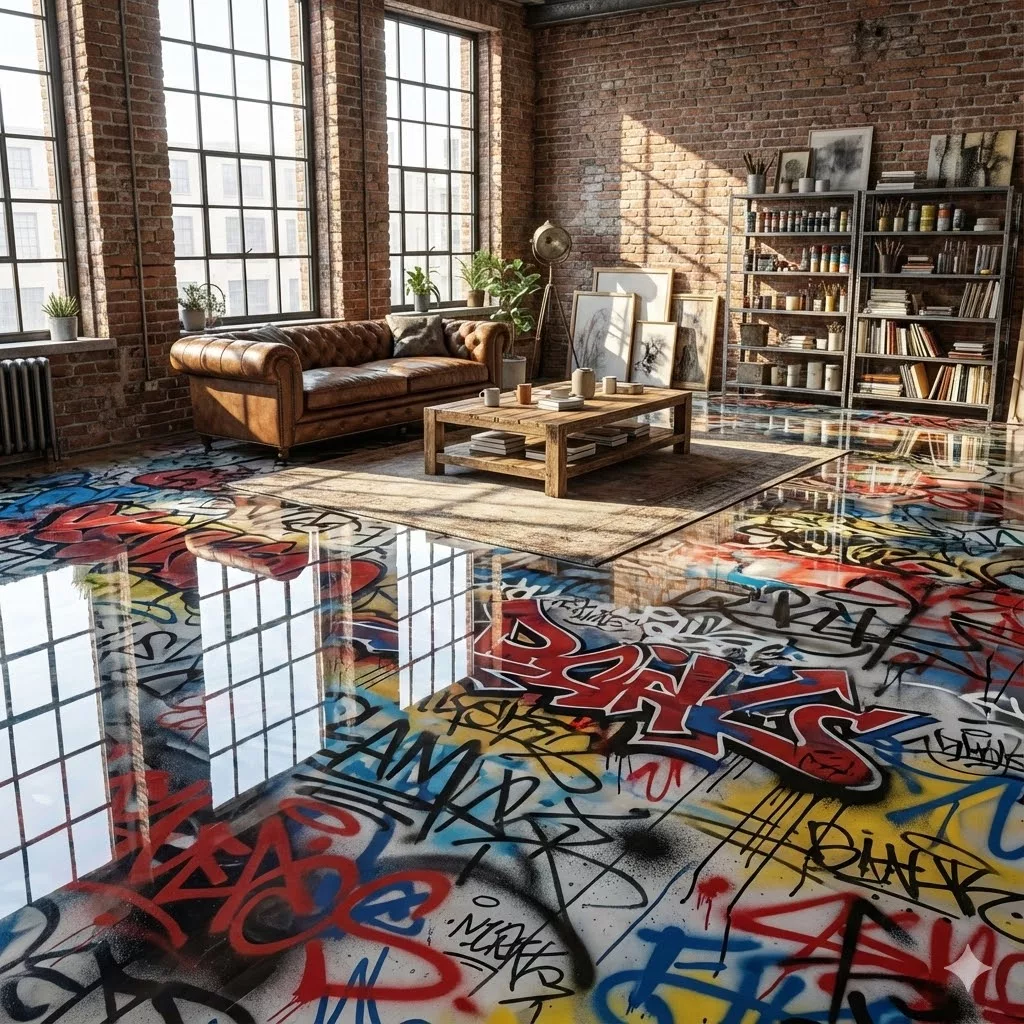
Retail Stores
Urban clothing boutiques, sneaker shops, skate stores, and youth-oriented retail spaces use graffiti floors to reinforce brand identity and create immersive shopping experiences that resonate with target audiences.
Entertainment Venues
Nightclubs, music venues, recording studios, gaming lounges, and entertainment spaces benefit from the energetic atmosphere graffiti floors provide, enhancing the overall experience for patrons.
Creative Studios
Art studios, design agencies, photography studios, and creative workspaces embrace graffiti floors as inspirational environments that reflect artistic culture and stimulate creativity.
Residential Spaces
Teen bedrooms, game rooms, home gyms, basement hangouts, and modern lofts become personalized sanctuaries with custom graffiti floor installations that express individual style.
Restaurants and Bars
Hip restaurants, craft breweries, coffee shops, and bars targeting younger demographics use graffiti floors to create distinctive, Instagram-worthy environments that attract customers and encourage social sharing.
Educational Facilities
Youth centers, arts education spaces, and progressive schools incorporate graffiti floors in designated areas, celebrating student creativity and urban art forms as legitimate artistic expression.
Creating Your Epoxy Graffiti Floor Design
Planning Your Artwork
Begin by defining your vision, theme, and color palette. Gather inspiration from graffiti artists, street art photography, and urban culture references. Create mood boards or digital mockups showing your desired style, specific elements, and overall composition.
Choosing Colors
Graffiti thrives on bold, contrasting colors. Popular combinations include:
- Black and white with neon accent colors
- Primary colors (red, blue, yellow) for classic graffiti energy
- Complementary colors for maximum visual impact
- Monochromatic schemes for sophisticated urban aesthetics
- Metallic accents (gold, silver, copper) for contemporary edge
Working with Artists
Commission professional graffiti artists to create authentic, skilled artwork. Experienced artists understand composition, color theory, letter styles, and techniques that translate effectively to floor installations. Many graffiti artists also have experience with large-scale installations and can work within your space constraints.
DIY Considerations
Artistic individuals with spray paint experience can attempt DIY graffiti floors. Practice techniques on test surfaces before working on actual floors. Use quality spray paints designed for the substrate, work in well-ventilated areas, and protect surrounding surfaces from overspray.
Installation Process for Epoxy Graffiti Floors
Surface Preparation
Remove all existing flooring materials, furniture, and obstacles from the space. The concrete or subfloor must be completely clean, dry, level, and structurally sound. Fill cracks and imperfections with appropriate repair compounds. Sand or grind concrete surfaces to improve paint and epoxy adhesion. Proper preparation is absolutely critical for successful installation.
Priming the Surface
Apply concrete primer or epoxy primer to seal the substrate and create an ideal painting surface. This base coat prevents moisture issues, improves paint adhesion, and ensures even color application.
Base Coat Application
Apply a solid base color coat that serves as the background for your graffiti artwork. White, light gray, or cream bases make colors pop, while darker bases create moodier, more dramatic effects. Allow base coat to fully cure before beginning artwork.
Creating the Graffiti Art
This is where your floor comes to life. Apply graffiti artwork using spray paints, acrylic paints, markers, or combination techniques. Work systematically from background elements to foreground details. Layer colors, add shading, create depth, and refine details. Allow adequate drying time between layers and colors.
Spray Paint Technique: Hold cans 8-12 inches from surface, use sweeping motions, build color gradually with multiple light coats rather than heavy single applications.
Hand Painting Details: Use brushes or markers for fine details, crisp edges, and small elements that require precision control beyond spray capabilities.
Stencils and Templates: Create or purchase stencils for repeated elements, logos, or complex shapes requiring clean edges and consistent reproduction.
Sealing the Artwork
Once artwork is complete and fully dry (typically 24-48 hours), apply a clear sealing coat to protect the paint and prepare for epoxy application. This barrier prevents epoxy solvents from disturbing or smearing the graffiti.
Epoxy Flood Coats
Mix and pour clear epoxy resin over the sealed graffiti artwork. Apply multiple coats to achieve proper thickness—typically 1/8 to 1/4 inch total depth. Pour carefully to maintain even coverage across the entire surface. Each coat must cure before applying subsequent layers.
Removing Air Bubbles
Immediately after each epoxy pour, use a propane torch or heat gun to carefully pass over the wet surface. The heat releases trapped air bubbles, ensuring crystal-clear finish that doesn’t obscure your artwork.
Curing Process
Allow the floor to cure undisturbed for 24-72 hours before light foot traffic and 7 days before heavy use or furniture placement. Full cure takes up to 30 days. During curing, maintain proper temperature and humidity levels for optimal results.
Optional Topcoats
Apply additional protective topcoats for enhanced durability, UV resistance, or specific finish preferences (high gloss, satin, or matte). These coats add extra protection in high-traffic commercial applications.
Design Enhancement Techniques
3D Effects
Create dimensional illusions using shading, perspective, and layering techniques that make artwork appear to rise from or sink into the floor surface. These effects add dramatic visual interest.
Glow-in-the-Dark Elements
Incorporate phosphorescent paints or glow pigments into your graffiti design for floors that transform under blacklight or in darkness. Perfect for entertainment venues and nightlife establishments.
Metallic Accents
Add metallic spray paints or metallic epoxy pigments for eye-catching highlights, tags, or accent elements that catch light and add luxury to urban aesthetics.
Mixed Textures
Combine smooth spray paint areas with textured elements, splatter effects, or deliberate drips for authentic street art character and visual variety.
Hidden Details
Include small surprises, Easter eggs, or hidden messages throughout the design that reward close observation and create ongoing discovery for viewers.
Cost Considerations for Epoxy Graffiti Floors
Several factors influence total project costs:
Artist Fees: Professional graffiti artists charge $50-150+ per hour or $1,000-5,000+ for complete floor murals depending on reputation, complexity, and project size.
Paint and Materials: Quality spray paints, acrylics, and specialty materials cost $200-800 for average rooms depending on color variety and coverage needed.
Epoxy Materials: Premium clear epoxy costs $100-300 per gallon. Most projects require 2-5 gallons depending on room size and desired thickness.
Surface Preparation: Floor grinding, repairs, and preparation add $2-5 per square foot to costs.
Professional Installation: Complete professional installation including artwork and epoxy application typically costs $20-50 per square foot depending on design complexity and location.
Total project costs range from $3,000-12,000 for average commercial spaces (300-500 square feet) with professional artwork and installation. Residential DIY projects can reduce costs to $1,000-3,000 but require significant artistic skill and time investment.
Maintenance and Care
Daily Cleaning
Sweep or vacuum regularly using soft-bristle attachments to remove dirt and debris. Dust and grit can gradually scratch epoxy surfaces if not removed regularly.
Weekly Maintenance
Damp mop with warm water and pH-neutral cleaners specifically formulated for epoxy floors. Avoid harsh chemicals, ammonia, bleach, or abrasive cleaners that dull the finish or damage the protective coating.
Protecting the Surface
Place walk-off mats at entrances to reduce dirt tracking. Use furniture pads under chairs, tables, and equipment. Avoid dragging heavy objects across the surface.
Maintaining Shine
Apply specialized epoxy floor polish every 6-12 months to restore shine and add protective layers. This periodic maintenance keeps artwork looking vibrant and extends floor life.
Commercial High-Traffic Areas
High-traffic commercial spaces may require more frequent cleaning and periodic recoating every 3-5 years to maintain appearance and protection levels.
Legal and Ethical Considerations
Copyright and Permissions
If hiring artists, establish clear agreements about artwork ownership, reproduction rights, and usage permissions. Commissioned artwork for floors typically transfers rights to the property owner, but clarify this in contracts.
Original vs. Reproduction
Creating original graffiti art is encouraged. Avoid reproducing copyrighted characters, logos, or famous artworks without proper permissions and licensing.
Artist Attribution
Credit artists appropriately for their work. Many graffiti artists appreciate recognition, and proper attribution respects their contribution to your space.
Combining Graffiti Floors with Interior Design
Wall Coordination
Keep walls relatively neutral to let the floor remain the focal point, or extend graffiti elements onto walls for immersive environments. Avoid competing patterns or overwhelming visual complexity.
Furniture Selection
Choose furniture in solid colors that complement your graffiti palette. Industrial metals, raw wood, and contemporary pieces work well with urban graffiti aesthetics.
Lighting Design
Proper lighting showcases the depth, colors, and details of your graffiti floor. Track lighting, spotlights, or LED strips can be positioned to highlight specific design elements.
Complementary Décor
Add urban elements like exposed brick, metal accents, industrial fixtures, vintage signs, or street art prints that reinforce the overall aesthetic without overwhelming the space.
DIY vs. Professional Installation
DIY Project Considerations
Artistic individuals with painting experience can attempt DIY graffiti floors. Benefits include cost savings, complete creative control, and personal satisfaction. However, success requires strong artistic skills, understanding of spray paint techniques, proper ventilation and safety equipment, patience for multi-day projects, and epoxy application expertise.
Professional Installation Benefits
Hiring professionals ensures expert-level artwork quality, proper surface preparation and sealing, correct epoxy formulation and application, bubble-free finish, and warranted results. Professional installations typically look more polished and last longer than DIY attempts.
Troubleshooting Common Issues
Paint Bleeding: Seal artwork thoroughly before epoxy application. Use appropriate primers and allow proper drying times between layers.
Color Changes: Some paints react to epoxy solvents. Test compatibility on samples before floor application or use barrier coats between paint and epoxy.
Bubbles in Epoxy: Work in proper temperatures (70-85°F), mix epoxy thoroughly but gently, and heat-treat surfaces immediately after pouring.
Dull Appearance: UV exposure can yellow or dull epoxy over time. Use UV-resistant epoxy formulations and apply protective topcoats with UV inhibitors.
Scratches and Scuffs: Minor surface scratches can be buffed out. Deeper damage may require professional repair or fresh topcoats.
Is an Epoxy Graffiti Floor Right for You?
This flooring option is ideal if you:
- Appreciate urban art and street culture aesthetics
- Want completely unique, custom flooring
- Need durable surfaces for high-traffic areas
- Desire bold, statement-making design elements
- Have budget for professional artwork and installation
- Value artistic expression and contemporary design
Consider alternatives if you prefer traditional décor, want easily changeable flooring, need subtle or neutral spaces, or aren’t committed to bold permanent design statements.
Conclusion
An epoxy graffiti floor transforms ordinary spaces into extraordinary artistic environments that celebrate urban culture, creative expression, and contemporary design. Whether you’re creating an edgy retail experience, an inspiring creative studio, or a personalized residential space, graffiti floors deliver unmatched visual impact and authentic artistic character. With proper installation, quality materials, and minimal maintenance, your epoxy graffiti floor will remain a stunning centerpiece that energizes your space and showcases your commitment to bold, boundary-pushing design for decades to come. The fusion of street art authenticity and modern epoxy technology creates floors that are both functional surfaces and legitimate works of art worthy of admiration and respect.