
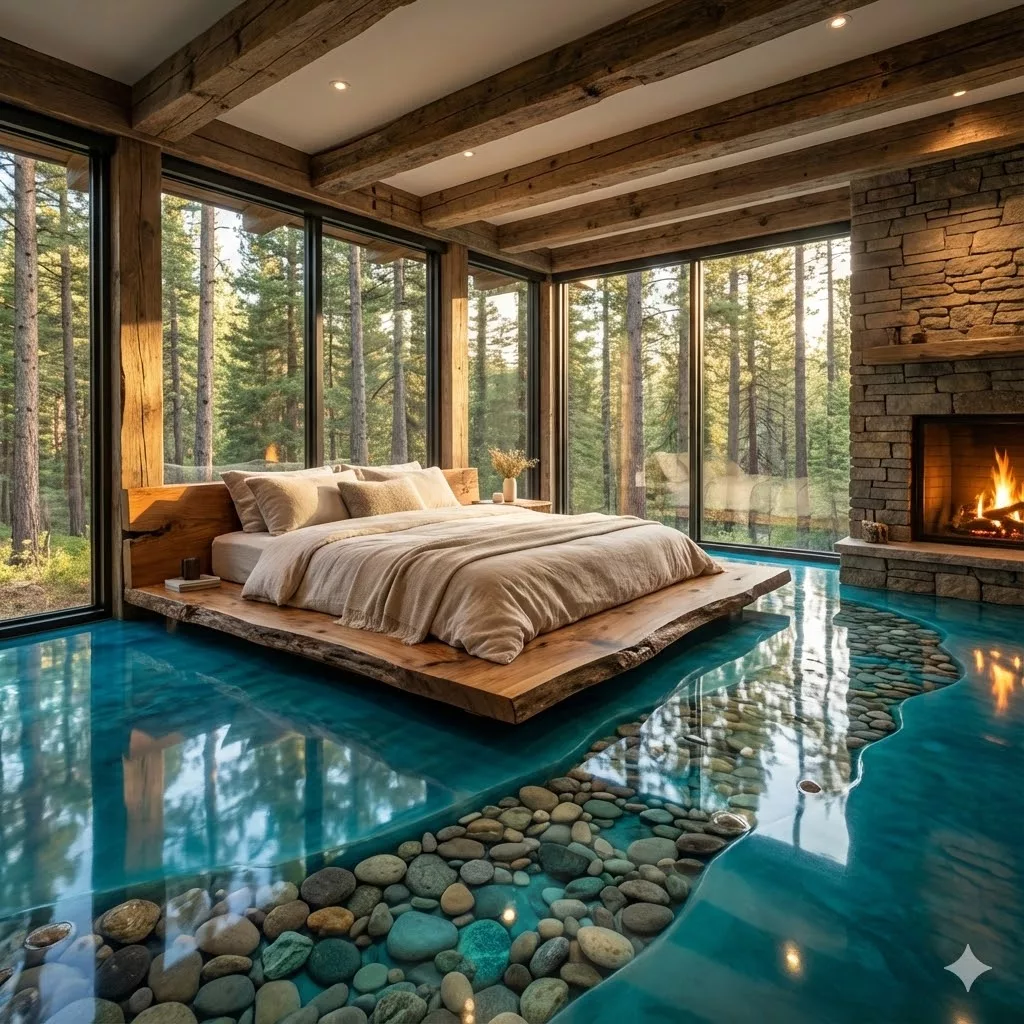
An epoxy river stone floor combines the timeless beauty of natural stones with the durability and seamless finish of modern epoxy resin. This innovative flooring solution creates a smooth, glass-like surface that encapsulates river rocks, pebbles, and stones, resulting in a unique and eye-catching floor that brings nature indoors. Perfect for bathrooms, kitchens, patios, and commercial spaces, epoxy river stone floors offer both aesthetic appeal and practical benefits.

Contents
- 1 What is an Epoxy River Stone Floor?
- 2 Benefits of Epoxy River Stone Flooring
- 3 Best Stones for Epoxy Floors
- 4 Installation Process
- 5 Design Ideas and Applications
- 6 Maintenance and Care
- 7 Cost Factors
- 8 DIY vs. Professional Installation
- 9 Common Challenges and Solutions
- 10 Environmental Considerations
- 11 Is an Epoxy River Stone Floor Right for You?
- 12 Conclusion
What is an Epoxy River Stone Floor?
An epoxy river stone floor is created by embedding natural river stones, pebbles, or rocks into a clear or tinted epoxy resin coating. The stones are arranged on a prepared floor surface, then covered with liquid epoxy that fills all gaps and creates a smooth, waterproof finish. Once cured, the epoxy hardens into a durable, transparent layer that showcases the natural beauty of the stones beneath while providing a flat, easy-to-clean surface.
Benefits of Epoxy River Stone Flooring
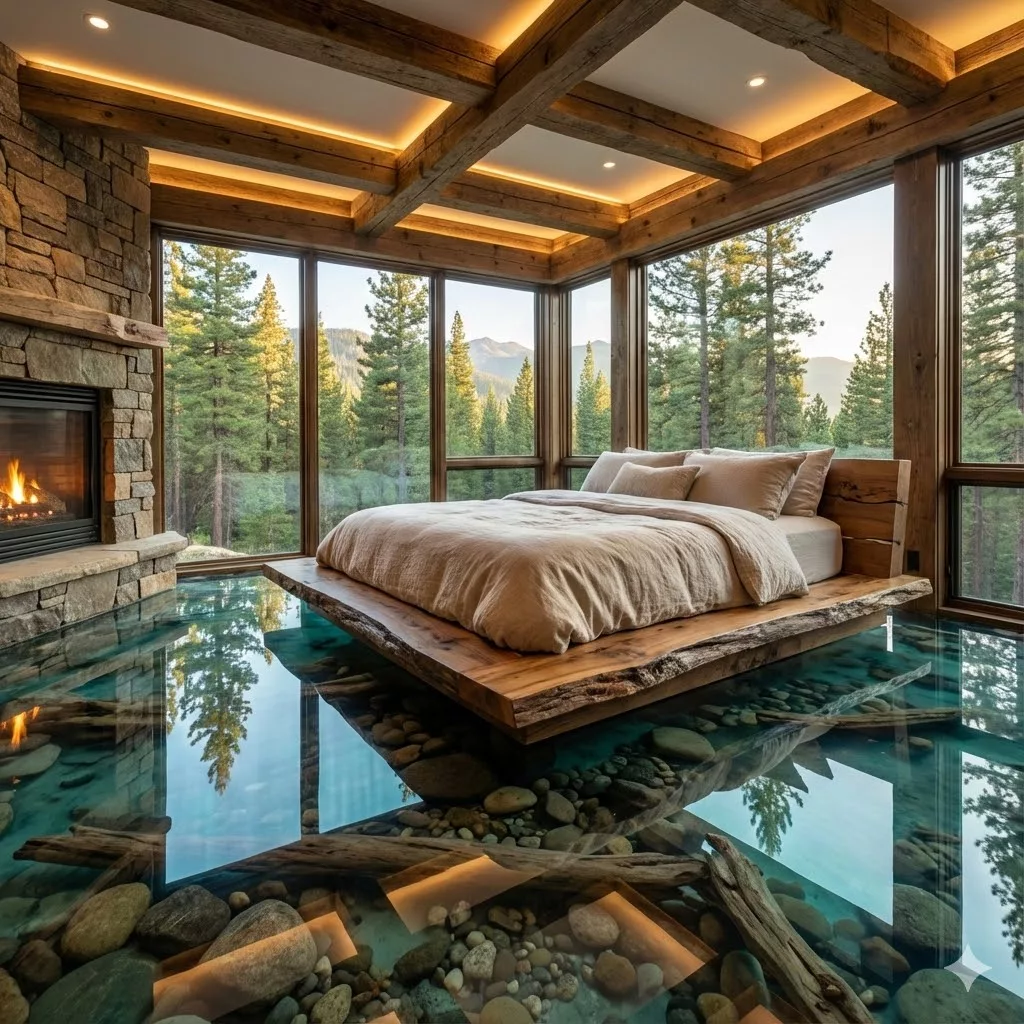
Stunning Visual Impact: Each floor is completely unique, showcasing the natural colors, shapes, and patterns of the embedded stones. The glossy epoxy finish enhances the stones’ appearance, making colors more vibrant and creating depth.
Exceptional Durability: Epoxy resin creates an incredibly strong surface resistant to scratches, impacts, and heavy foot traffic. When properly installed, these floors can last 20+ years with minimal maintenance.
Waterproof and Easy to Clean: The seamless epoxy surface is completely waterproof, making it ideal for bathrooms, pool areas, and outdoor spaces. Cleaning requires only sweeping and occasional mopping with mild soap.
Slip-Resistant Options: Unlike polished stone or tile, epoxy river stone floors can be finished with non-slip additives, making them safer in wet areas while maintaining their beautiful appearance.
Customizable Design: Choose from countless stone types, colors, sizes, and patterns to create a floor that perfectly matches your design vision. Add colored epoxy tints for additional customization.
Seamless Surface: Unlike traditional stone flooring with grout lines that collect dirt and require maintenance, epoxy river stone floors have no seams or joints where debris can accumulate.
Best Stones for Epoxy Floors
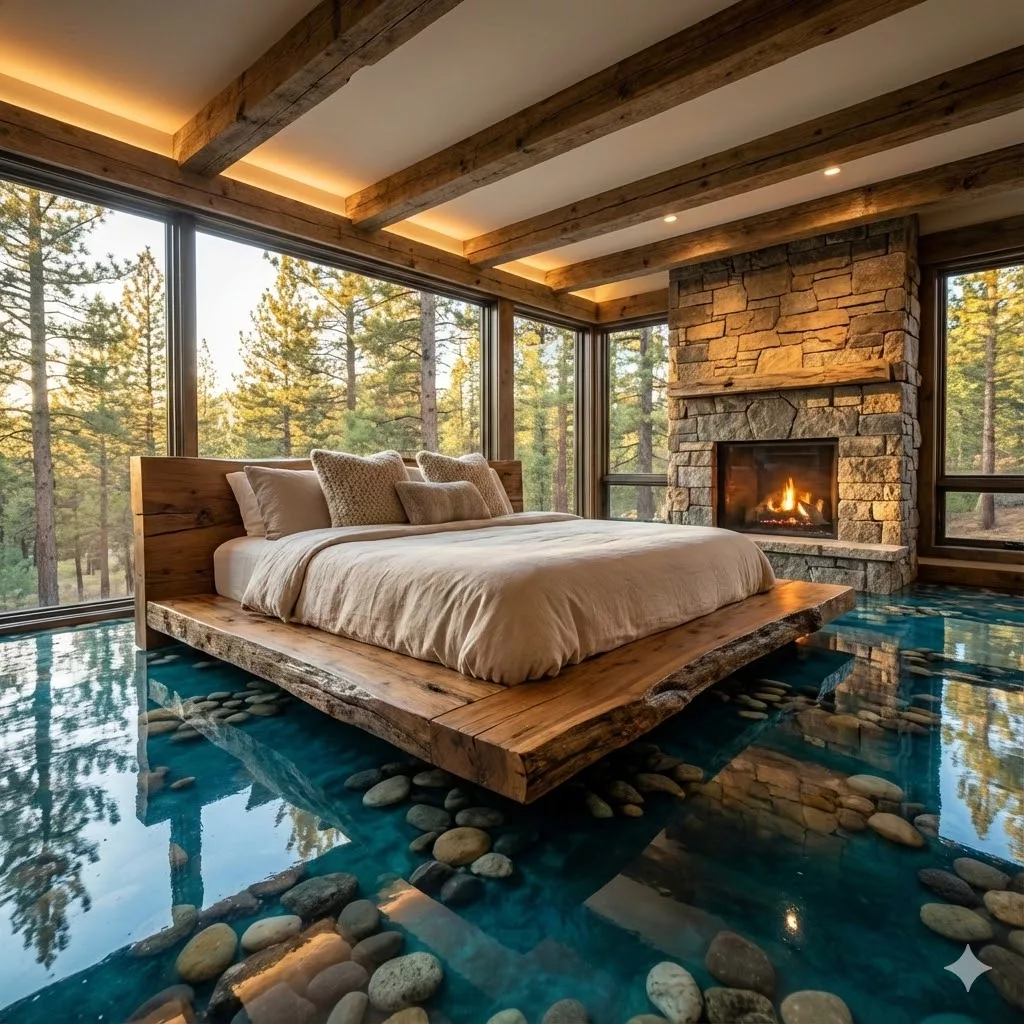
Popular Stone Options
River Rocks: Smooth, rounded stones in various sizes create a classic, natural appearance. Available in neutral tones and multiple colors.
Beach Pebbles: Smaller, polished stones perfect for creating intricate patterns and finer textures. Excellent for detailed designs.
Mexican Beach Pebbles: Premium black, gray, and tan stones with high polish and uniform appearance.
Mixed Stone Varieties: Combine different types, colors, and sizes for added visual interest and texture variation.
Specialty Stones: Include decorative elements like glass beads, shells, crystals, or colored aggregates for unique effects.
Size Considerations
- Small (0.5-1 inch): Creates smooth, dense coverage with minimal gaps
- Medium (1-2 inches): Balanced appearance with good coverage and visible stone details
- Large (2-3+ inches): Bold statement pieces with more pronounced texture
- Mixed sizes: Most natural look with varied depth and visual interest
Installation Process
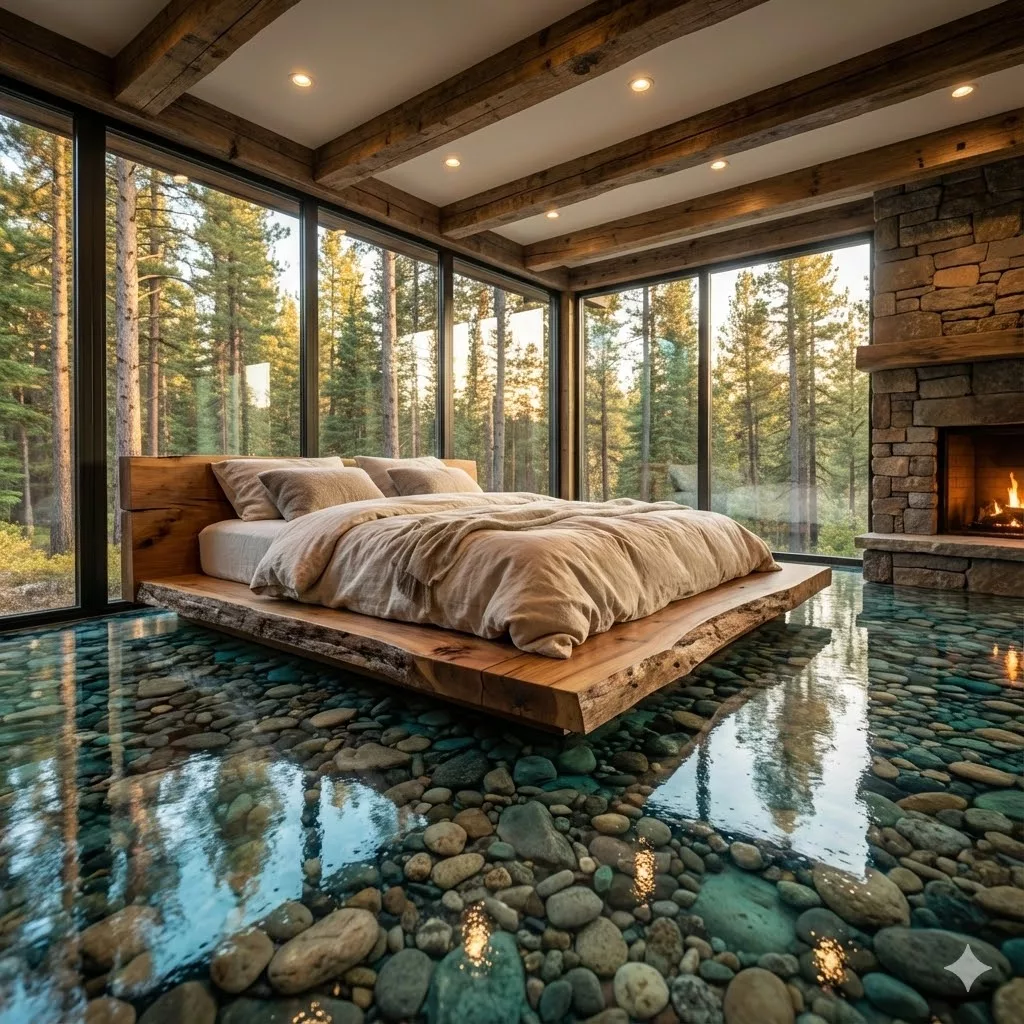
Surface Preparation
Proper preparation is crucial for successful epoxy river stone flooring. The substrate must be clean, dry, level, and structurally sound. Remove all existing flooring materials, repair cracks or damage, and ensure the surface is completely smooth. Concrete floors should be ground or acid-etched to improve epoxy adhesion.
Moisture Testing
Test concrete substrates for moisture issues before installation. Excessive moisture can cause epoxy failure, bubbling, or delamination. Apply moisture barriers if necessary.
Stone Layout and Placement
Arrange stones on the prepared surface according to your design plan. Distribute colors and sizes evenly for a balanced appearance, or create intentional patterns for artistic effects. Stones should be placed closely together to minimize epoxy usage and create better coverage.
Applying Base Epoxy
Apply a primer coat of epoxy to seal the substrate and improve adhesion. This base layer helps lock stones in place and prevents air bubbles from forming underneath.
Setting the Stones
Press stones firmly into the base epoxy coat while still wet. Ensure stones are fully embedded and making good contact with the substrate. Work quickly as epoxy begins curing within hours.
Pouring Top Coat
Mix and pour the clear epoxy top coat over the embedded stones. Use enough epoxy to completely cover all stones and create a smooth, level surface. Work carefully to avoid trapping air bubbles.
Removing Air Bubbles
Use a propane torch or heat gun to carefully pass over the wet epoxy surface, popping any air bubbles that rise to the surface. This step is critical for achieving a clear, glass-like finish.
Curing and Finishing
Allow the epoxy to cure according to manufacturer specifications, typically 24-72 hours before light foot traffic and 7 days before heavy use. Apply additional protective topcoats if desired for added durability and UV resistance.
Design Ideas and Applications
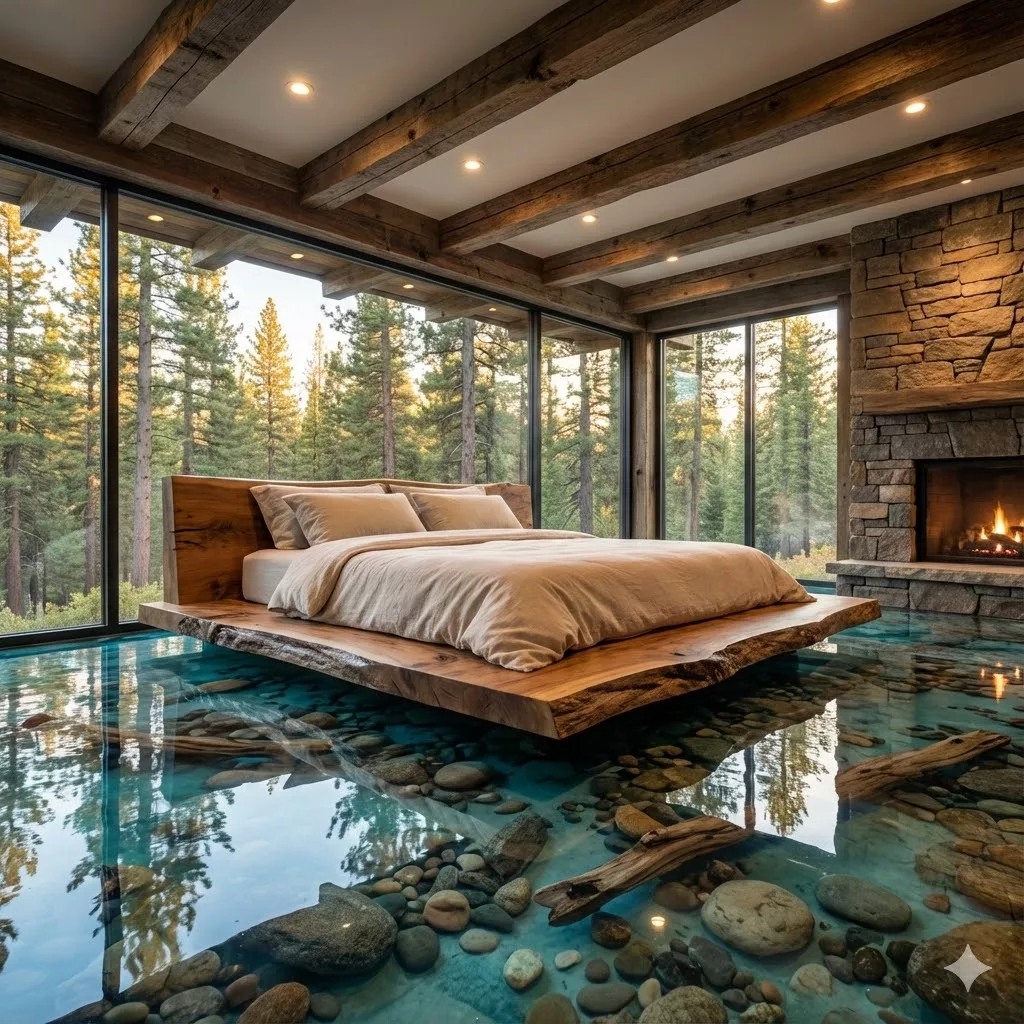
Bathroom Floors
Epoxy river stone floors are ideal for bathrooms, offering waterproof protection and spa-like aesthetics. The natural stones create a soothing, organic atmosphere while the seamless surface prevents water damage and mold growth.
Kitchen Floors
Create a durable, easy-to-clean kitchen floor that stands up to spills, dropped items, and constant foot traffic. Choose stones that complement your cabinetry and countertops.
Outdoor Spaces
Perfect for patios, pool decks, walkways, and outdoor living areas. Epoxy river stone floors handle weather exposure while providing slip-resistant surfaces for wet areas.
Commercial Applications
Restaurants, spas, retail stores, and hotels use epoxy river stone floors to create memorable, low-maintenance surfaces that impress customers and withstand heavy traffic.
Accent Areas
Use epoxy river stone flooring in specific zones like entryways, mudrooms, or shower floors to add visual interest without covering entire rooms.
Maintenance and Care
Daily Cleaning
Sweep or vacuum regularly to remove dirt and debris. Mop with warm water and mild pH-neutral cleaner as needed. Avoid harsh chemicals or abrasive cleaning tools that could damage the epoxy finish.
Periodic Deep Cleaning
Clean thoroughly with specialized epoxy floor cleaners every few months to maintain shine and remove built-up residue. Rinse well to prevent film buildup.
Protective Measures
Use furniture pads under heavy items to prevent scratching. Place mats at entryways to reduce dirt and grit tracking. Avoid dragging sharp or heavy objects across the surface.
Recoating
Depending on traffic levels, apply a fresh topcoat every 5-10 years to restore shine and protection. This process refreshes the appearance without requiring complete reinstallation.
Cost Factors
Epoxy river stone floor costs vary based on several elements:
- Stone type and quality: Premium stones cost more than standard river rocks
- Coverage area: Larger projects may reduce per-square-foot costs
- Epoxy type: High-performance epoxies cost more but offer superior results
- Labor: Professional installation typically costs $8-25 per square foot
- Design complexity: Intricate patterns or mixed materials increase labor time
- Site preparation: Extensive prep work adds to total costs
Total material and labor costs typically range from $15-40 per square foot for professional installation.
DIY vs. Professional Installation
DIY Installation
Experienced DIYers can tackle epoxy river stone floors with proper planning, quality materials, and attention to detail. Benefits include cost savings and creative control. However, mistakes can be expensive to fix, and achieving professional-quality results requires skill and patience.
Professional Installation
Hiring experienced professionals ensures proper surface preparation, correct epoxy mixing and application, and a flawless finish. Professionals have specialized tools, expertise in troubleshooting, and often provide warranties on their work.
Common Challenges and Solutions
Air Bubbles: Prevent by using proper mixing techniques, applying in optimal temperatures, and using heat to release trapped air during application.
Yellowing: Use UV-resistant epoxy formulations, especially for outdoor installations or areas with direct sunlight exposure.
Uneven Surface: Ensure proper leveling during installation and use self-leveling epoxy products when appropriate.
Cracking: Address substrate issues before installation and use flexible epoxy systems that accommodate minor movement.
Stone Shifting: Secure stones properly in base coat and avoid walking on wet epoxy during installation.
Environmental Considerations
Choose low-VOC or zero-VOC epoxy products for better indoor air quality. Source stones locally when possible to reduce transportation impacts. Consider using reclaimed or recycled stones for eco-friendly installations.
Is an Epoxy River Stone Floor Right for You?
This flooring option is ideal if you:
- Want a unique, natural aesthetic with modern durability
- Need waterproof flooring for wet areas
- Appreciate seamless, easy-to-clean surfaces
- Have budget for professional installation or DIY skills
- Desire long-lasting flooring that requires minimal maintenance
Consider alternatives if you prefer traditional flooring, need immediate DIY installation, or want flooring that’s easily reversible.
Conclusion
Epoxy river stone floors offer an unmatched combination of natural beauty, exceptional durability, and practical functionality. Whether you’re renovating a bathroom, creating an outdoor oasis, or designing a commercial space, this innovative flooring solution delivers stunning visual impact that lasts for decades. With proper installation and minimal maintenance, your epoxy river stone floor will remain a conversation-starting focal point that brings the timeless appeal of nature into your living space.


